Smartphone sovereignty.
Frictionless.
Soverli is a software layer that securely runs two operating systems at once on standard smartphones: a Sovereign OS you control, and an untouched standard Android.
No reboot
Why Soverli?
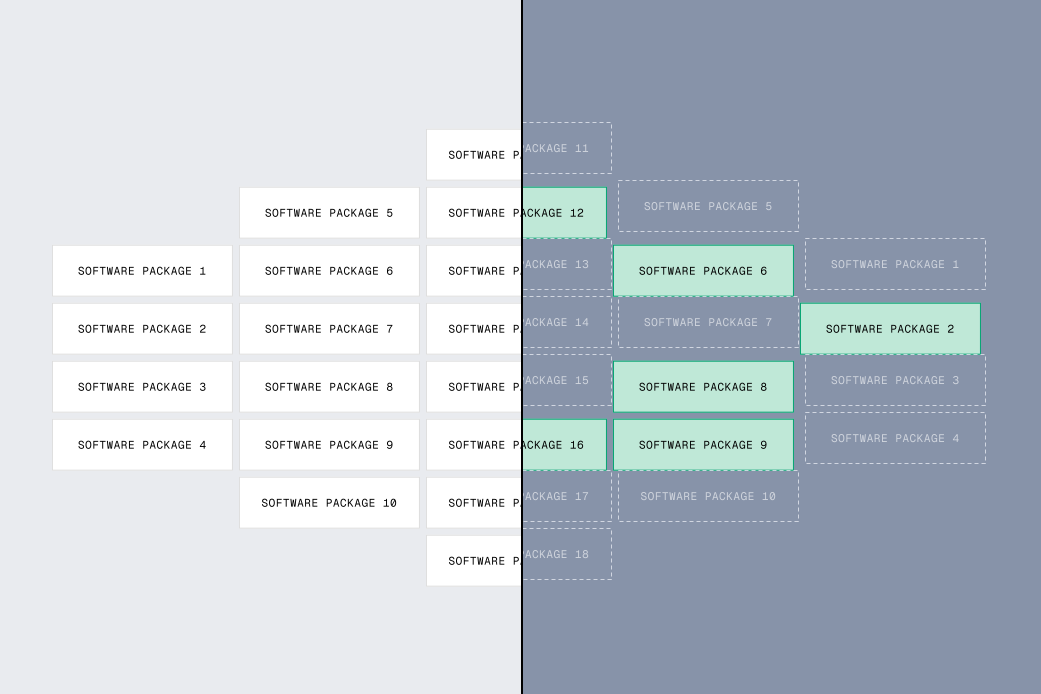
Reduce supply chain risks
On a standard phone, a known vulnerability stays open until the vendor ships a fix, often leaving your fleet exposed for months. With sovereignty over the software supply chain, the patch cycle is yours: pull the fix from upstream and push it to the whole fleet, without waiting for suppliers to integrate a fix.
Increase operational resilience
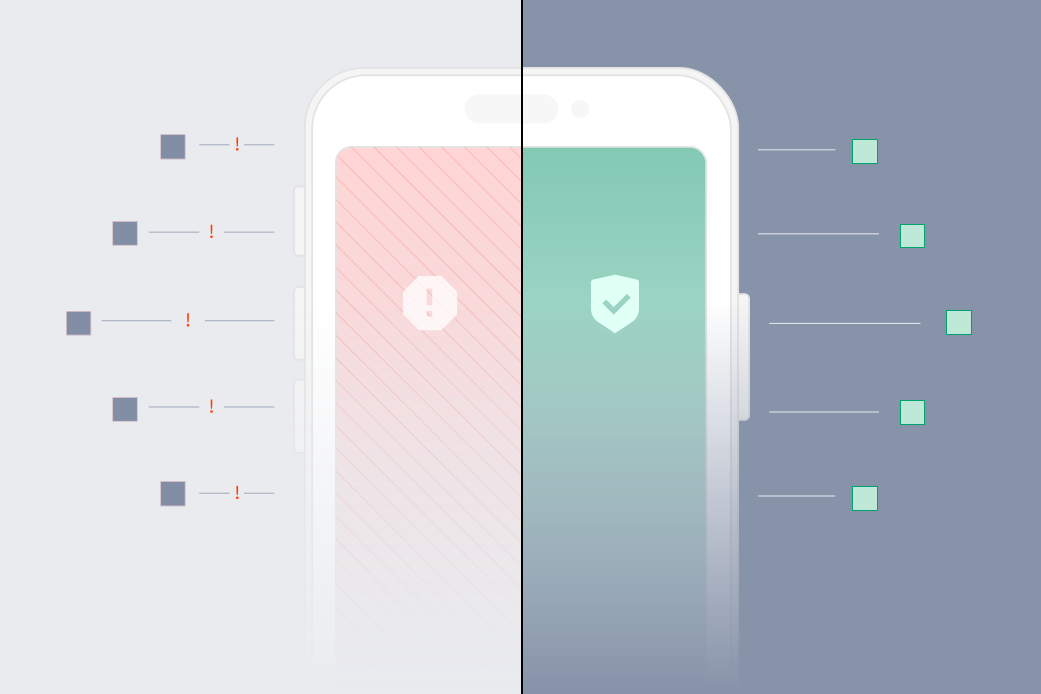
A botched update that stops the phone from booting, or a wrong policy that cuts connectivity, now stays confined on one OS: the other keeps working. What used to be a single point of failure, fixable only with hands on the device, becomes a near non-event. Your fleet runs with fewer manual repairs and less downtime.
Sovereignty without trade-offs
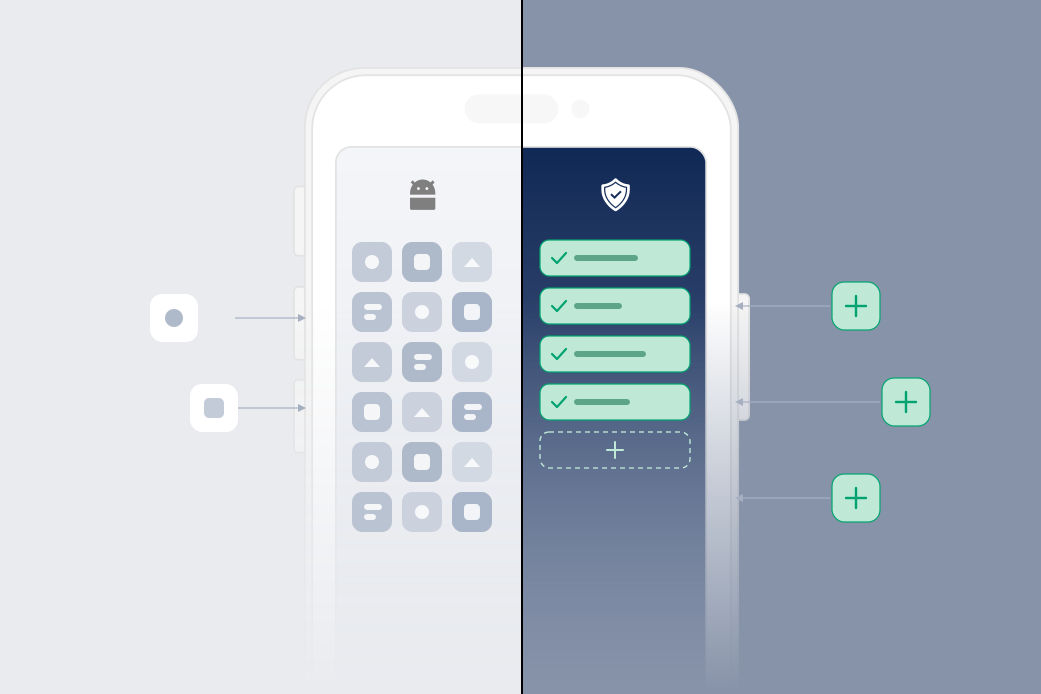
The Sovereign OS is yours to shape: choose every component it runs, decide what the phone can and cannot do, and depend on no one you haven't chosen. Employee login with an NFC badge, restricted on standard Android? On your OS, it's your call. Your people give up nothing: the standard Android beside it keeps every app they already use.
Contain attacks
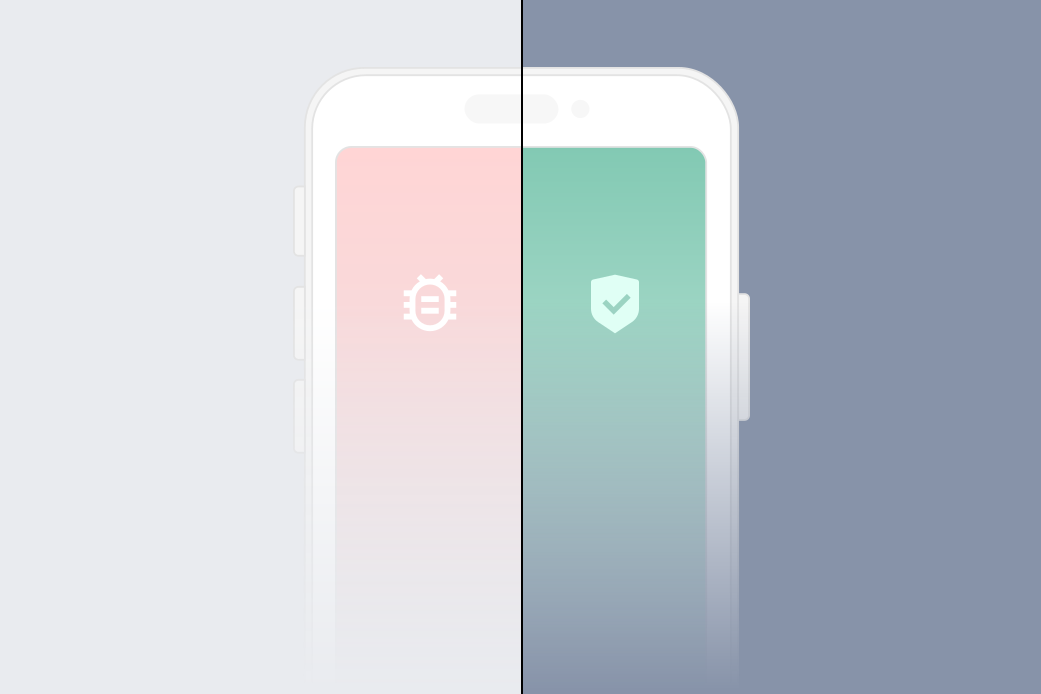
The two OS have different system software, and Soverli sits beneath both, directly on the hardware, not as an app inside either. It isolates them so that an exploit chain that breaks one, even a zero-click zero-day, leaves the other uncompromised. Attacking the Sovereign OS means developing a custom attack from scratch, at many times the cost. The asymmetry shifts in favor of the defender.
Switch. Scale. Separate.
Switch OS in milliseconds.
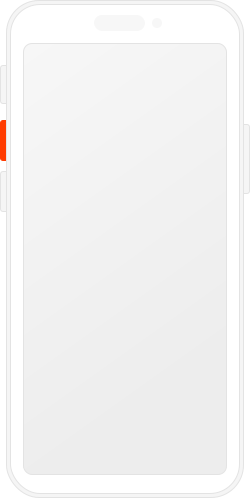
Both operating systems are always running, so a switch is a handover, not a reboot. One press of the side button and the other OS takes control of the user interface within milliseconds, exactly where you left it.
Managed like any fleet.
Soverli works with the MDM tools your IT department already uses. Each phone shows up twice in the MDM: once per OS. So you provision, update, push applications, and set policies for either OS independently.
Dynamic hardware assignment.
The screen, microphone, camera, and every other assignable component belong to one OS at a time. On a switch they follow the OS in the foreground, so the one in the background cannot listen or watch. A policy sets which OS owns which piece of hardware, and which of them change hands when the user switches OS.
See Soverli in action.
Book a call with our team to explore how frictionless mobile sovereignty can benefit your organisation.
Who it's for
For Public Sector.
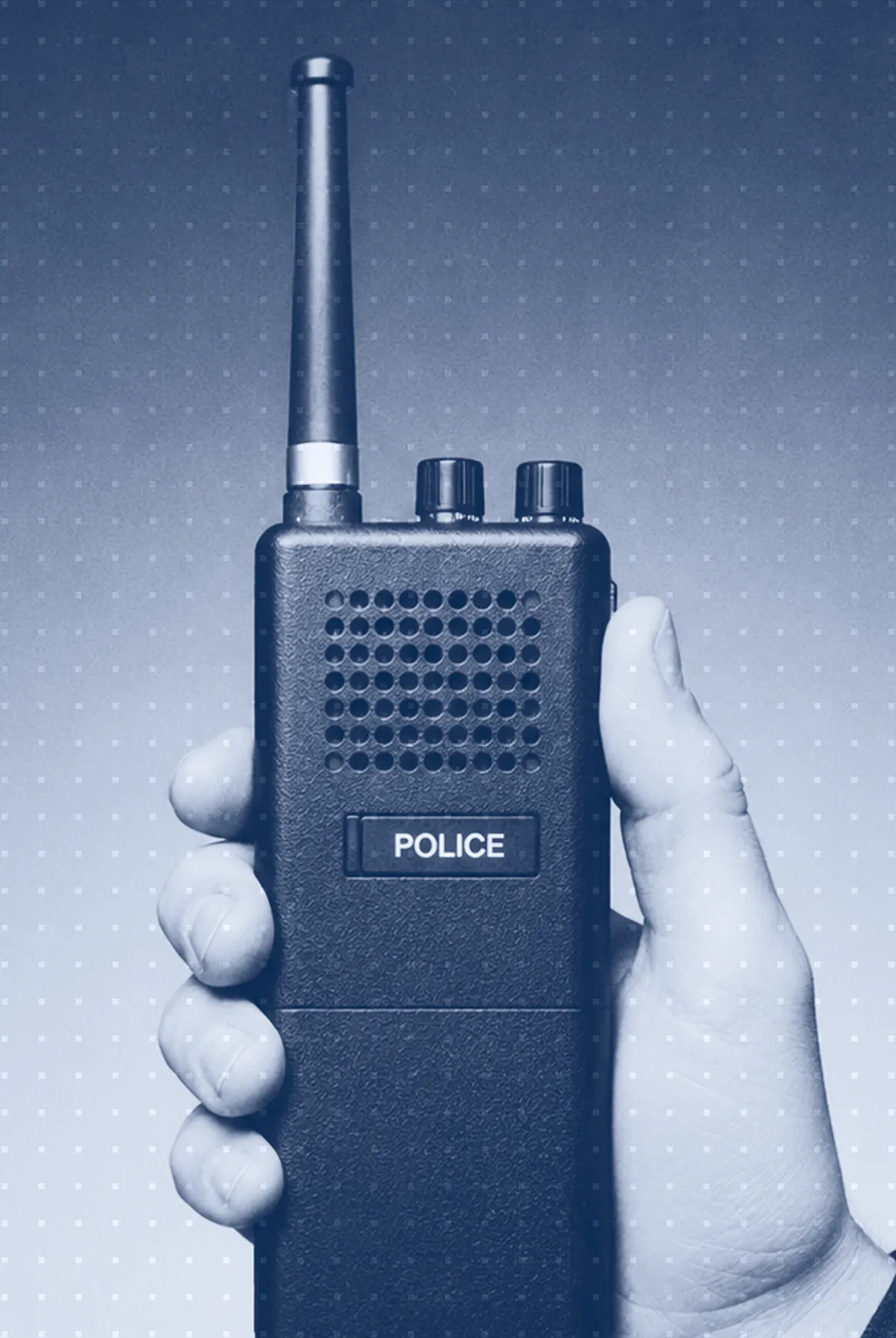
Critical communication runs on the Sovereign OS, on software your organization selected and audited. A failure on the standard Android OS does not interrupt it, and personnel carry one standard device. Owning the software supply chain means no longer having to trust foreign vendors: Soverli removes more than 60% of the foreign-trusted software from your fleet's critical path.

For Enterprises.
Two operating systems on one device: one managed by IT, one private to the employee. Everyday functions remain available, so security controls are not bypassed. IT administers one OS in full and sees nothing of the other. The result is full visibility of the managed OS while respecting your employees' privacy, and a separation people can see and understand, so it wins the acceptance a work profile never gets.
For Manufacturers.
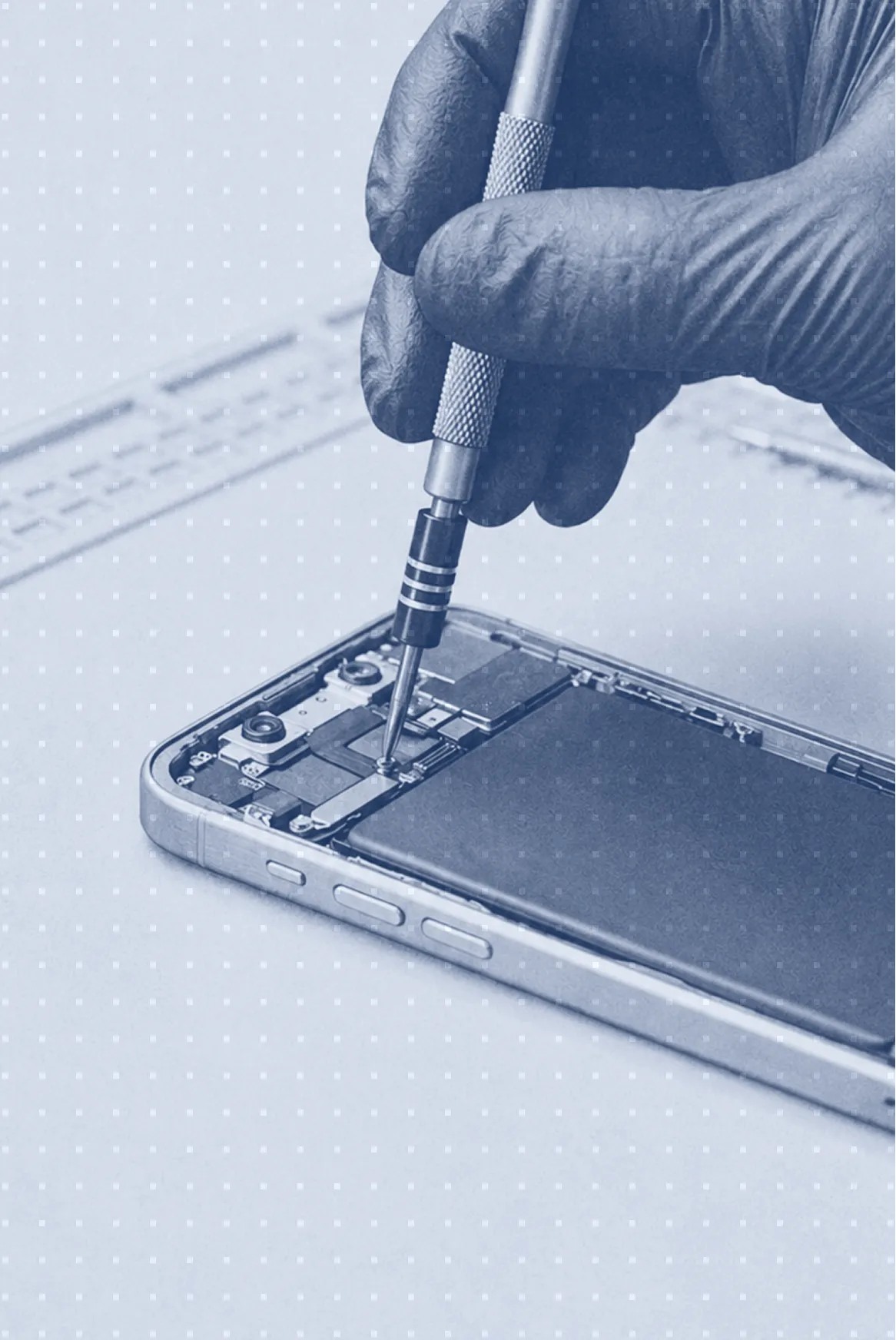
Customers with strict requirements run and audit their own operating system on your standard device. No custom variant per customer. Your primary OS remains unmodified.